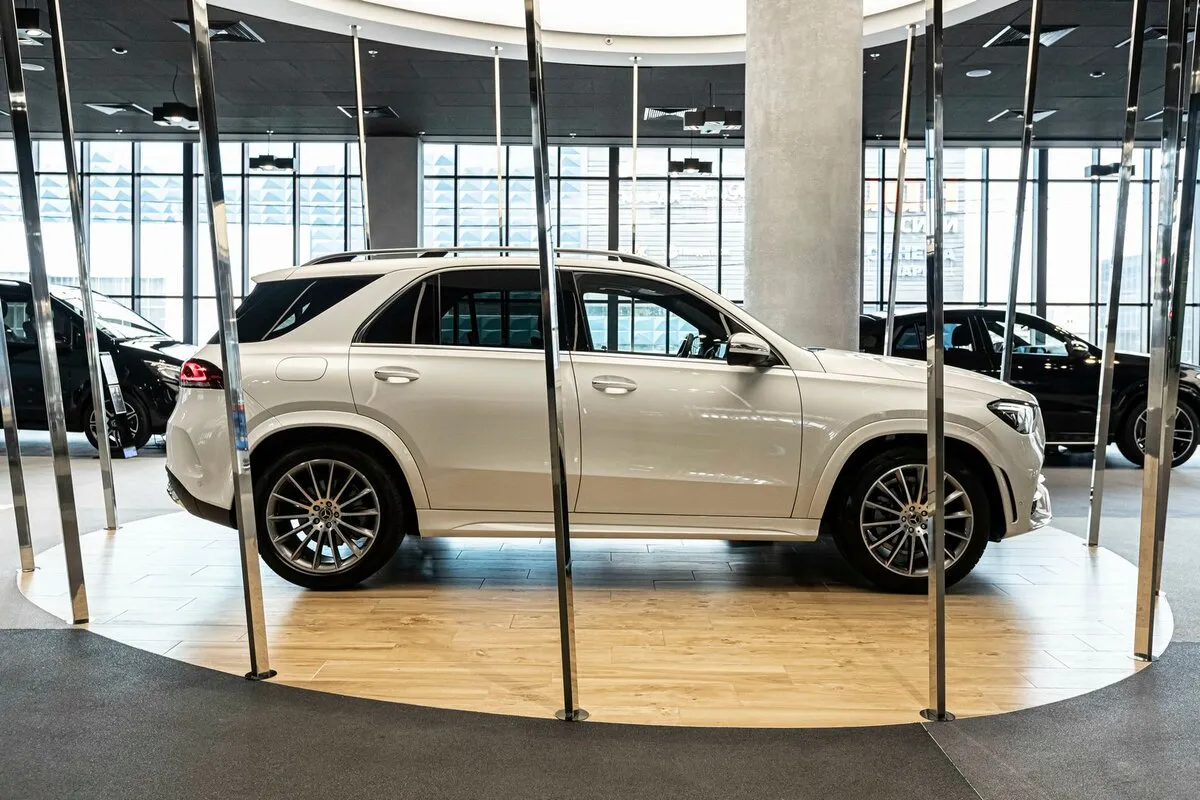
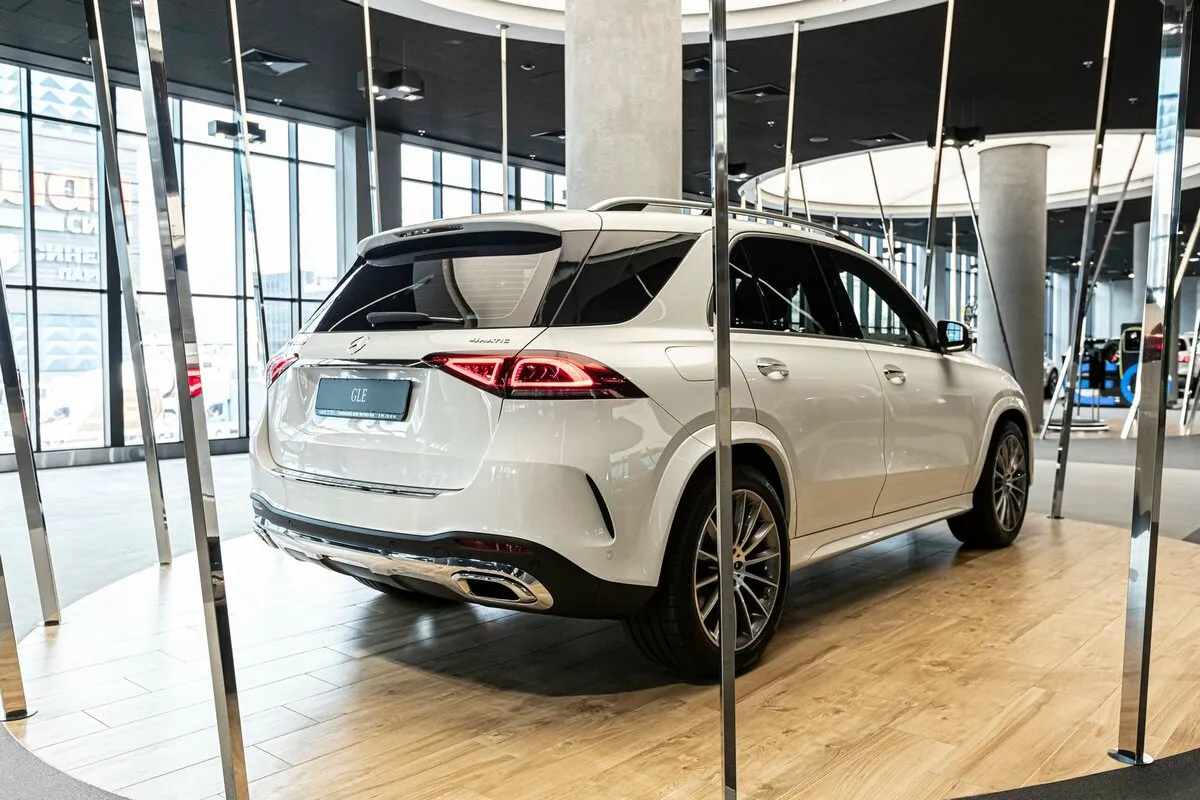
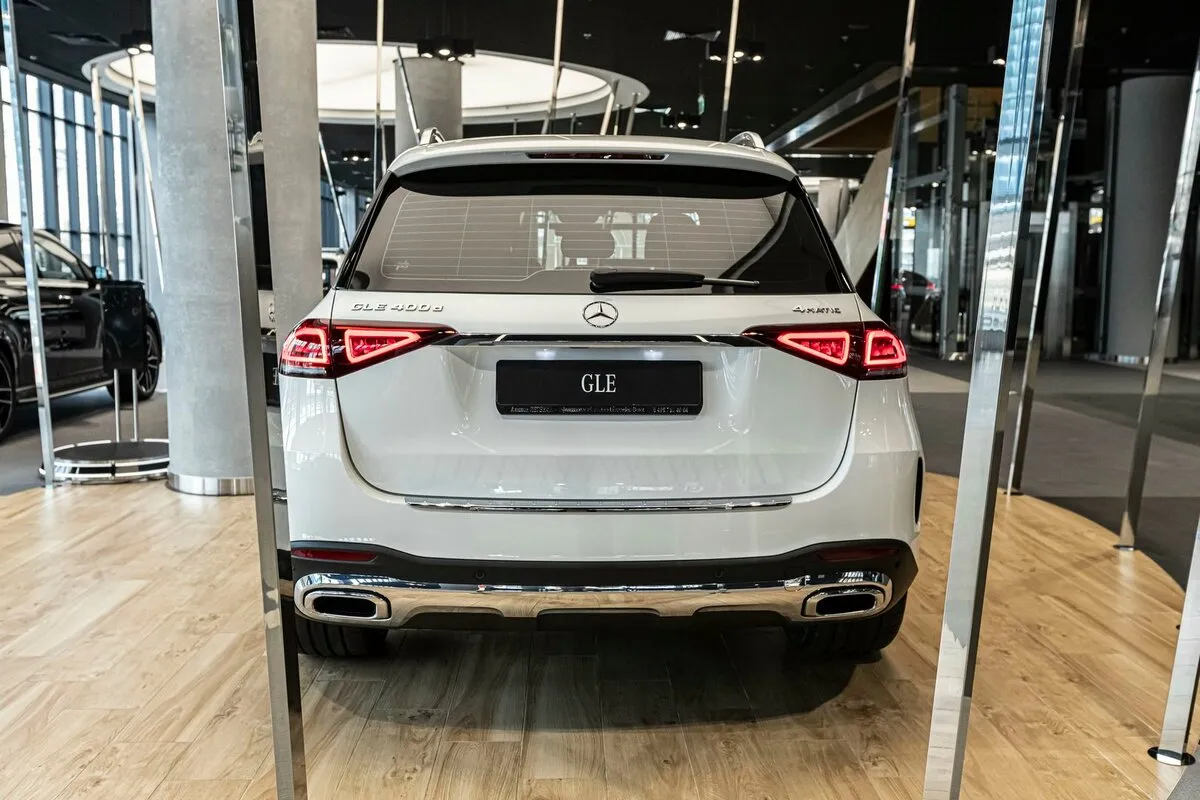
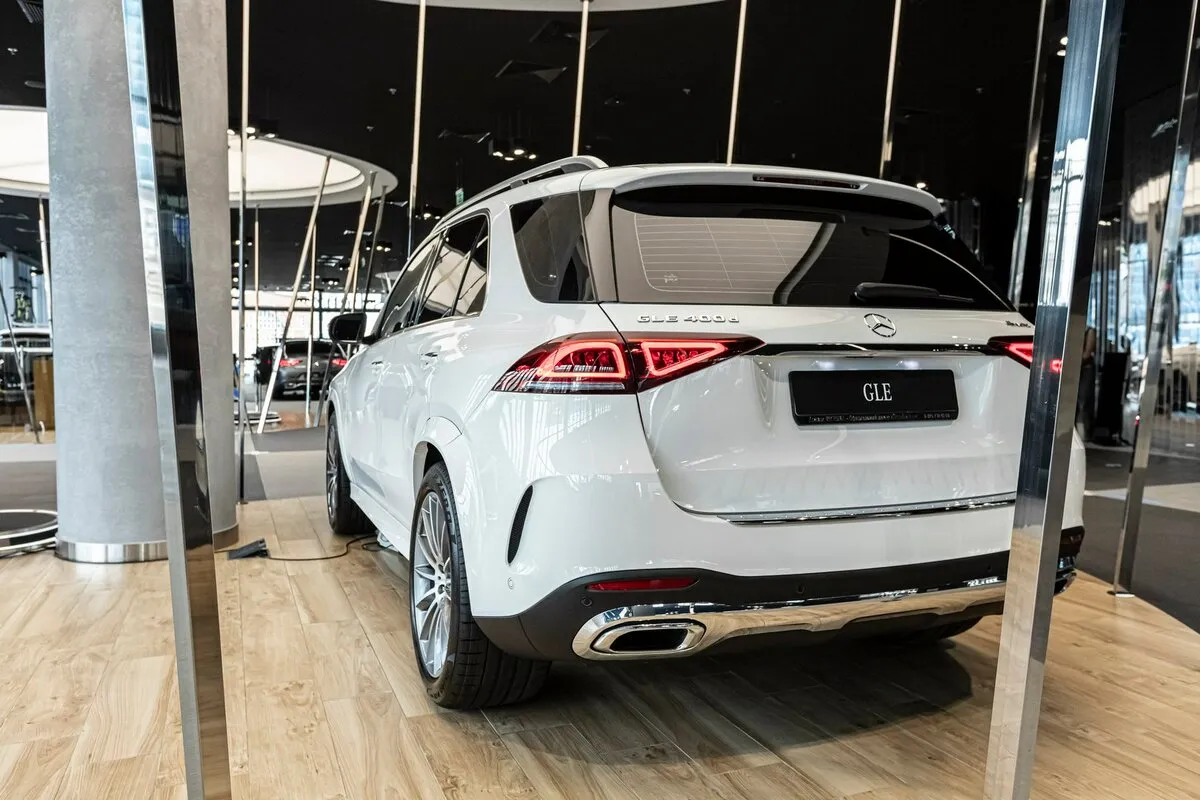
Mercedes-Benz GLE 400 d 4MATIC (V167) Tuning Guide 2026 — Body Kits, Wheels & Performance


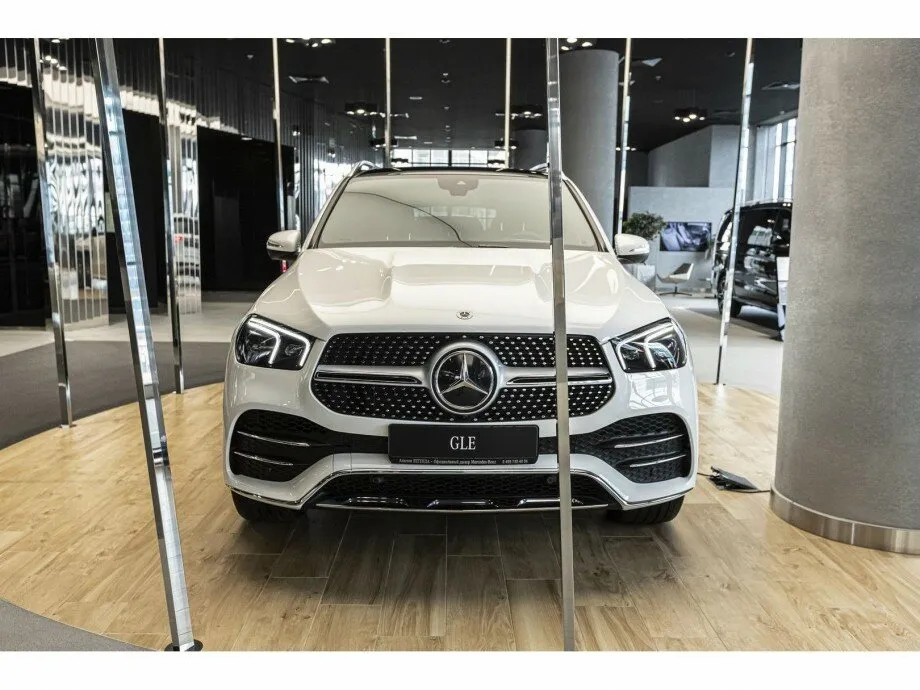
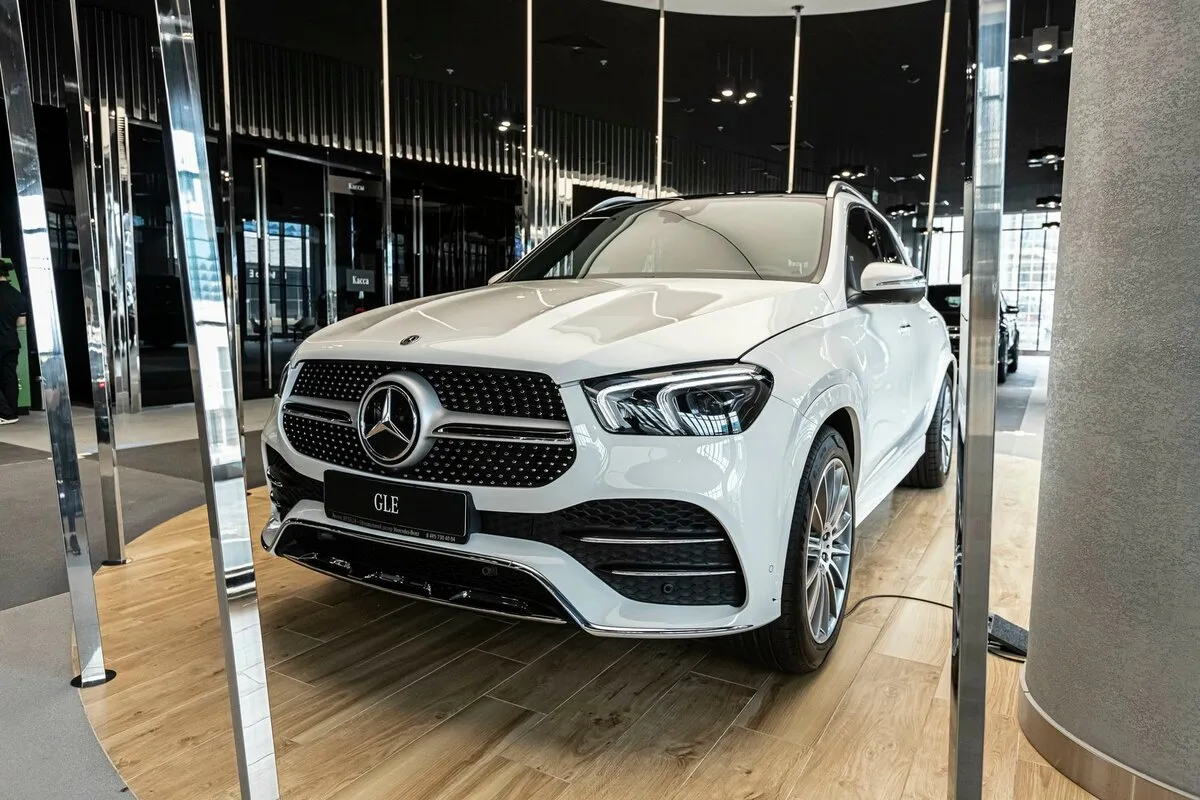
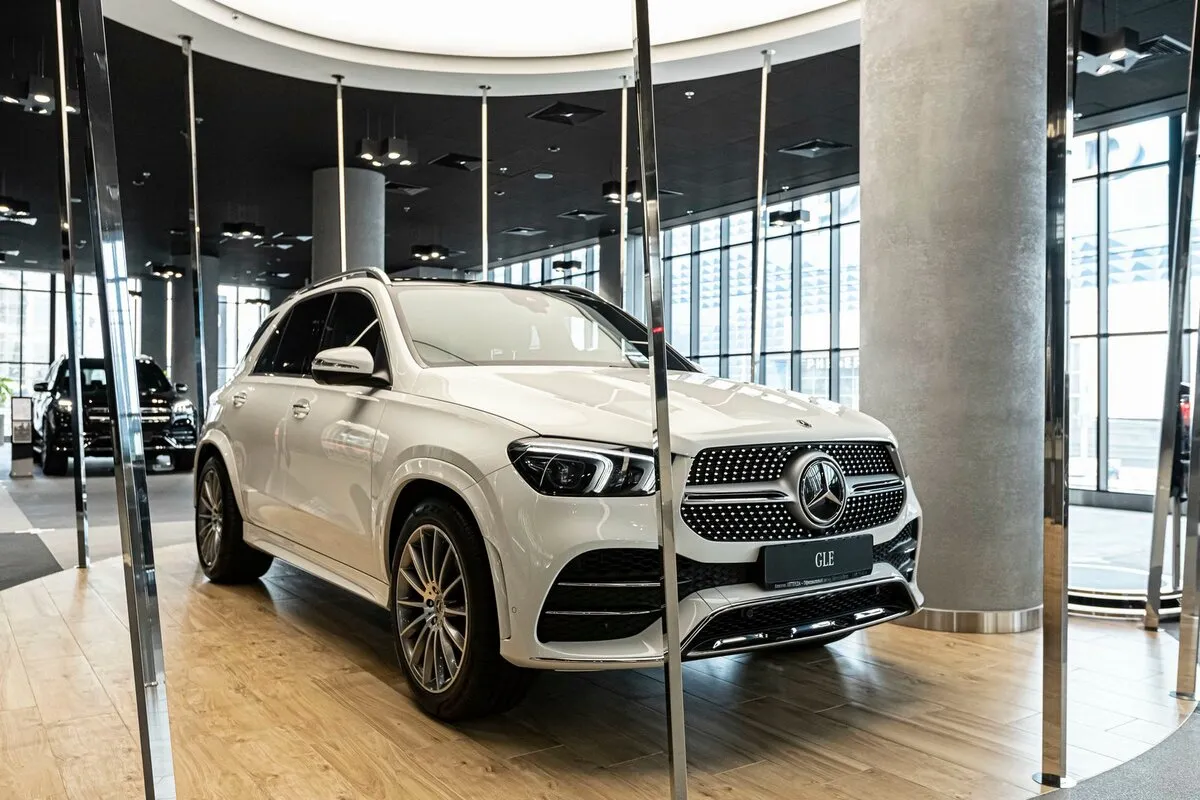
The Mercedes-Benz GLE 400 d 4MATIC on the V167 platform (4th-generation GLE, 2019+) is Mercedes-Benz's best-selling SUV worldwide and — when fitted with the OM656 3.0-litre inline-six turbo diesel — arguably the best-resolved long-distance luxury SUV on the market. The OM656 is widely considered Mercedes' finest-ever diesel engine: 330 hp and 700 Nm (pre-LCI) rising to 367 hp and 750 Nm with 48 V EQ Boost mild-hybrid assistance on the 2023+ facelift, driving all four wheels through a 9G-Tronic automatic and hitting 100 km/h in the low-5-second range in an SUV weighing 2.3 tonnes. This guide covers every meaningful upgrade available for the GLE 400 d V167 — Brabus, Larte, Lumma, TopCar and Hofele body kits, forged wheel options from 22 to 23 inches, OM656-specific diesel tuning stages, interior re-trims and the engineering logic behind why less is more on the OM656.
GLE 400 d V167 — Key Specifications
Platform Overview — Mercedes MHA and the OM656's Pedigree
The GLE V167 sits on Mercedes-Benz's MHA (Modular High Architecture) platform — the body-on-nothing aluminium/steel composite structure shared with the long-wheelbase GLS V167 seven-seater and the sloped-roof GLE Coupe C167. This is not BMW's CLAR architecture (an unrelated BMW-only platform), and generic CLAR-based tuning advice should be disregarded for the V167. MHA's defining engineering features are its AIRMATIC four-corner air suspension with continuously adaptive dampers as standard, and the E-ACTIVE BODY CONTROL option which adds a 48 V hydraulic anti-roll system that can individually raise or lower each wheel — the only system in its class that can lift the car out of a stuck soft-sand situation by bouncing the body. Ground clearance varies 55 mm between highest and lowest AIRMATIC settings, which is meaningful for buyers who drive unpaved roads in the Caucasus, Siberia or the Gulf. The OM656 is a clean-sheet 2017 inline-six design that replaced the old V6 OM642 — single sequential twin-scroll variable-geometry turbo (not bi-turbo, a common misconception), 2200-bar piezo common-rail injection, cast-iron closed-deck block for thermal stability, and full Euro 6d emissions with SCR/AdBlue. It is Mercedes' response to BMW's B57 and the benchmark against which every modern premium diesel is measured.
Body Kits — Brabus Widebody, Larte Black Crystal, Lumma CLR GE, TopCar Inferno, Hofele HGE
Brabus Widebody. The flagship aesthetic programme for the GLE V167. Brabus's full kit includes a carbon front spoiler with aerodynamic blades and LED daytime-running-lamp integration, pronounced carbon side-skirt extensions, a boot-lid Gurney flap, flared carbon wheel-arch extensions that add up to 50 mm of total width per side to accommodate 22" × 10J or 23" × 10J wheels, bonnet air vents and a carbon rear diffuser housing a quad-outlet Brabus-signature stainless-steel exhaust. Every piece is TÜV-certified in Germany and ECE-approved for EU-wide registration. Paint is colour-matched at Bottrop or supplied primed for dealer-side paintwork. Full Brabus widebody programme on the V167 runs £18,000–28,000 installed depending on carbon specification and whether wheels and interior are bundled.
Larte Design Black Crystal. The Russian/CIS market's most popular V167 aero programme. Larte's Black Crystal kit is glass-reinforced plastic (SMC composite) rather than carbon, which keeps pricing at roughly one-third of Brabus — a full kit with front spoiler, side skirts, rear apron inserts and a tailgate spoiler runs roughly £4,500–6,000. Fitment is bolt-on to factory mounting points with no cutting, and the aesthetic is deliberately aggressive with prominent vertical front intakes and a carbon-look rear diffuser. Very popular in Moscow, Dubai and Baku owner circles; less common in Western Europe.
Lumma CLR GE. German tuner Lumma Design's signature widebody V167 conversion — flared front and rear wheel-arch extensions adding up to 70 mm of width per side, a reshaped front apron with horizontal LED accents, a new rear bumper with stacked exhaust outlets, and a ducktail-style tailgate spoiler. Lumma offers the CLR GE in fibreglass-composite or optional full carbon construction. The Lumma widebody allows wheels up to 23" × 11J with 315/30 R23 rubber, which fundamentally changes the car's stance. Full conversion runs £12,000–18,000 in composite or £22,000–28,000 in carbon.
TopCar Design Inferno. Moscow-based TopCar's GLE V167 programme is the most flamboyant on the market, with pronounced widebody flares, carbon aero blades on the front apron and lower doors, a roof-mounted spoiler, and an optional carbon-pattern hood. TopCar also builds a dedicated Coupe C167 variant. Best suited to buyers who want maximum presence and are comfortable with polarising aesthetics. Full conversion runs roughly £15,000–22,000 depending on carbon content.
Hofele HGE Black Edition. German coachbuilder Hofele offers a more restrained widebody-adjacent programme — subtle fender extensions, a reshaped front apron, side-skirt accents and a rear bumper with integrated quad-exhaust trim. Hofele includes their own 22" or 23" wheel designs as bundled options and is the preferred choice for owners who want aero improvement without the full Brabus or Mansory visual statement. Lorinser's parallel V167 programme sits in the same restrained segment.
Wheels — Brabus Monoblock Z / Y, Vossen HF-3, ANRKY AN39, HRE FF21
Factory GLE 400 d wheels are 19" to 21". Tuners almost universally step up to 22 or 23 inches on the V167, and a genuine forged construction is strongly recommended: the GLE kerb weight of 2.3 tonnes combined with the OM656's 700–800 Nm makes cheap cast rims prone to cracking on European potholes or Middle-Eastern expansion joints.
Brabus Monoblock Z. The definitive widebody-package wheel for the V167. Available in 22" × 10J ET45 with 285/40 R22 Michelin Pilot Sport 4 SUV or stepped up to 23" × 10J ET45 with 295/35 R23 rubber. Forged from a single aluminium billet, available in Platinum, satin black, gloss black or two-tone diamond-turned finishes. Monoblock Y (five twin-spoke) and Monoblock R (split-spoke) are alternative Brabus patterns in the same 22–23" diameter range.
Vossen HF-3. Hybrid-forged flow-form wheel — mechanically a step below genuine billet-forged but priced at roughly 40% below Brabus. 22" × 10 and 23" × 10.5 fitments in ET35–45 range. Best choice for Stage 1 (clean OM656 tune) builds where outright wheel durability is less critical.
ANRKY AN39. California-forged boutique three-piece with a concave spoke profile that flatters the V167's long bonnet. 22" or 23" with full custom colour and finish specification. 12–16-week lead time but visually unique at car meets — a popular choice among GLE Coupe C167 owners who want a distinct look.
HRE FF21. American-forged flow-form with a clean split-spoke aesthetic that suits the GLE's relatively conservative bodywork. 22" × 10 or 23" × 10 fitments. The pick for owners who want a factory-plus aesthetic rather than a widebody statement.
Niche M255. Value-priced flow-form at roughly £4,500 a set — appropriate for a Stage 1 cosmetic build but not recommended behind Brabus-level power. For those who occasionally venture off-tarmac (Caucasus, Siberia, Gulf), a fallback set of 20" wheels wrapped in Continental CrossContact LX25 or Pirelli Scorpion Verde All Season is recommended for gravel, sand and winter use.
Performance — Brabus B40-450, Renntech Stage 1, Posaidon, GAD Motors, RaceChip Ultimate, Exhausts
Brabus B40-450 PowerXtra D6S (flagship). Brabus's headline OM656 programme combines an ECU re-map and a 9G-Tronic TCU recalibration. Brabus raises rail pressure modestly from 2200 to 2350 bar, advances injection timing by 1–2 degrees, and reworks boost mapping at low-to-mid RPM (peak boost lifted from ~1.8 to ~2.0 bar). Output rises to 400 hp and 800 Nm — a clean +50 hp and +100 Nm with no turbo replacement, no downpipe swap and no injector upgrade. The PowerXtra D6S package runs roughly £4,500–6,000 turnkey and is the benchmark clean diesel tune on the platform.
Renntech Stage 1. Florida's Renntech produces a clean OM656 ECU flash targeted at the North-American GLE 450 d / 400 d market — roughly 390 hp and 780 Nm at around £2,800 turnkey. Less aggressive than Brabus at lower cost, with a strong reputation for emissions compliance on US-market cars.
Posaidon RS 450. German specialist who targets the OM656 with a modest rail-pressure lift and a reworked boost map — approximately 395 hp and 800 Nm at roughly £3,500. Well regarded in Benelux and German owner circles.
GAD Motors GAD-M 400D. GAD's OM656 tune sits at approximately 400 hp and 820 Nm with an emphasis on mid-range torque rather than peak headline numbers — a genuinely refined calibration that preserves the OM656's factory drivability.
RaceChip Ultimate. Plug-and-play piggyback module targeting roughly 390 hp and 780 Nm, priced around £700. Ideal for buyers who want to reverse the modification before resale or dealer service — the module is removed in under ten minutes. Not as refined as a genuine ECU re-flash but the most resale-friendly option. Steinbauer produces a similar clean-diesel +35 hp module with a particular focus on emissions compliance.
Mosselman Turbo Systems. Dutch tuner best known for its clean calibration philosophy — typically around 385 hp and 770 Nm with long-term reliability as the explicit design brief.
Exhausts. Diesel exhaust options for the OM656 are limited by the full SCR / DPF aftertreatment train, but Capristo Diesel Sound offers a valve-controlled active rear silencer that meaningfully changes the soundtrack on demand without affecting emissions hardware, while Akrapovic Slip-On produces a rare diesel-specification rear-muffler swap with titanium construction and carbon tips. Both retain the factory downpipe and SCR cat — critical for European emissions compliance and UK MOT validity.
Interior — Brabus Fine Leather, Alcantara Headliner, Ambient Lighting
The factory GLE V167 cabin with MBUX, dual 12.3" displays and Burmester 3D audio is already excellent, so interior work is generally cosmetic. Brabus Fine Leather offers full re-trim in Nappa or semi-aniline hide with diamond quilting, contrast stitching and Brabus logo embroidery on the headrests; an alcantara headliner, A-pillars and pillar trims are commonly specified alongside. Brabus also fits a full carbon-fibre interior trim swap (dashboard, centre console, door inserts) that sharpens the cabin considerably. Ambient lighting can be extended from the factory 64-colour system into the door cards and footwells with aftermarket kits. Expect £12,000–20,000 for a complete Brabus-grade re-trim at Bottrop or an equivalent tier at Carlex Design in Poland.
Tech Deep-Dive: Tuning the OM656 — Why Less Is More
The OM656 in factory 330 hp / 700 Nm specification is already remarkably over-built. The single sequential twin-scroll variable-geometry turbocharger is sized for the M-Class and G-Class halo applications that produce up to 367 hp and 750 Nm out of the box on the 2023+ 48 V mild-hybrid variant; the 2200-bar piezo common-rail injectors have headroom for roughly 850 Nm of fuelling before reaching their physical flow ceiling; the SCR/AdBlue aftertreatment has the enzymatic capacity to absorb materially higher NOx output. In other words, the factory hardware is already rated for the numbers a clean Stage 1 tune produces. This is why Brabus's PowerXtra D6S can lift the car to 400 hp and 800 Nm with nothing more than a rail-pressure increase from 2200 to 2350 bar, a 1–2-degree advance in injection timing, and a modest boost-map adjustment from ~1.8 to ~2.0 bar peak — no turbo swap, no downpipe, no fuel-system upgrade. On the 2023+ 48 V LCI car, Brabus additionally unlocks roughly 5 hp more electric-motor output during turbo-lag transients by reprogramming the integrated starter-generator control unit. AdBlue consumption typically rises 5–8% — noticeable but not alarming — while DPF regeneration cycles actually drop because the tune promotes more complete combustion. Clean reliability margin is maintained and, critically, the factory service interval can remain unchanged. The OM656 is the rare case where exploiting OEM headroom outperforms brute-force hardware swaps.
Frequently Asked Questions
How does the OM656 inline-6 diesel compare to the old OM642 V6 diesel for tuning?
The OM656 is in every meaningful sense superior. The older OM642 V6 (used in W166 GLE / M-Class up to 2019) was bi-turbo, made 258 hp stock in GLE 350 d guise, and suffered well-documented intake-swirl-valve failures, balance-shaft wear and EGR-cooler cracking at higher states of tune. The OM656 — a 2017 clean-sheet inline-6 design — runs a single sequential twin-scroll variable-geometry turbo, a closed-deck cast-iron block for thermal stability, 2200-bar piezo injection and integrated SCR. Tuning headroom is substantially greater (factory 330 hp cleanly lifts to 400 hp on a Stage 1 map, versus OM642's 258 hp which only cleanly accepts roughly 310 hp before fuel-system and intake-swirl limitations appear). Mercedes themselves regard the OM656 as their best diesel engine ever produced, and the platform's reliability at 300,000+ km is already well established in European taxi-fleet duty.
Does AdBlue consumption increase noticeably after a Stage 1 tune?
Yes, but modestly. A clean Brabus or Renntech Stage 1 re-flash typically increases AdBlue (diesel exhaust fluid) consumption by 5–8% over the standard service interval. In real-world terms this shortens the AdBlue top-up interval from roughly 12,000 km to 11,000–11,500 km, which is a £15–20 cost difference per top-up — negligible on a car of this calibre. Counter-intuitively, DPF (diesel particulate filter) regeneration cycles actually decrease on a well-calibrated Stage 1 map because the re-flash promotes more complete combustion and reduces raw soot output. Emissions compliance is preserved on a clean tune — any legitimate tuner (Brabus, Renntech, Posaidon, GAD, Mosselman) will certify the car passes Euro 6d and UK MOT testing post-tune. Avoid any tuner who proposes an "EGR delete" or "DPF delete" — these are road-illegal in the EU and UK and will destroy both emissions compliance and resale value.
V167 SUV vs C167 Coupe — which body style suits the Brabus build best?
Mechanically identical — same OM656, same 4MATIC, same 9G-Tronic, same AIRMATIC chassis. The V167 SUV is the rational choice: five proper seats with full headroom, 825–2055 litres of boot space, and a full-height tailgate that accepts a bicycle or a set of skis without effort. The C167 Coupe trades 120 litres of boot space and approximately 40 mm of rear headroom for a dramatically more aggressive fastback silhouette that the widebody kits from Brabus, Lumma and TopCar flatter especially well. For a daily-driver build, buy the V167 SUV; for a weekend-focused statement build with Brabus widebody and 23" wheels, the C167 Coupe is the more visually resolved platform. The GLS V167 long-wheelbase seven-seater is mechanically identical but adds 202 mm of wheelbase and a third row — a consideration if you have two or more children or a regular three-row use case.
22" vs 23" wheels on AIRMATIC — is the ride still comfortable?
On the factory AIRMATIC air suspension with adaptive dampers, 22" wheels with a 40-profile tyre (285/40 R22) preserve the air-suspended ride quality remarkably well — most owners report no meaningful comfort degradation versus the factory 21" wheel. 23" wheels with a 35-profile tyre (295/35 R23) are a different proposition: sidewall compliance is materially reduced, sharper expansion joints become perceptible in the cabin, and the AIRMATIC system can only partially compensate. The E-ACTIVE BODY CONTROL option (48 V hydraulic anti-roll, optional on GLE 450 / 580 specifications but rare on GLE 400 d) helps considerably but does not fully offset the sidewall loss. Our recommendation is 22" × 10J with 285/40 R22 Michelin Pilot Sport 4 SUV for daily-driver builds, and 23" reserved for weekend/show-oriented cars with accepted ride-quality trade-offs. If you live outside a major city with typically smooth tarmac (Dubai, central Moscow), 23" is more liveable; on UK B-roads or rural Russian secondary roads, stick with 22".